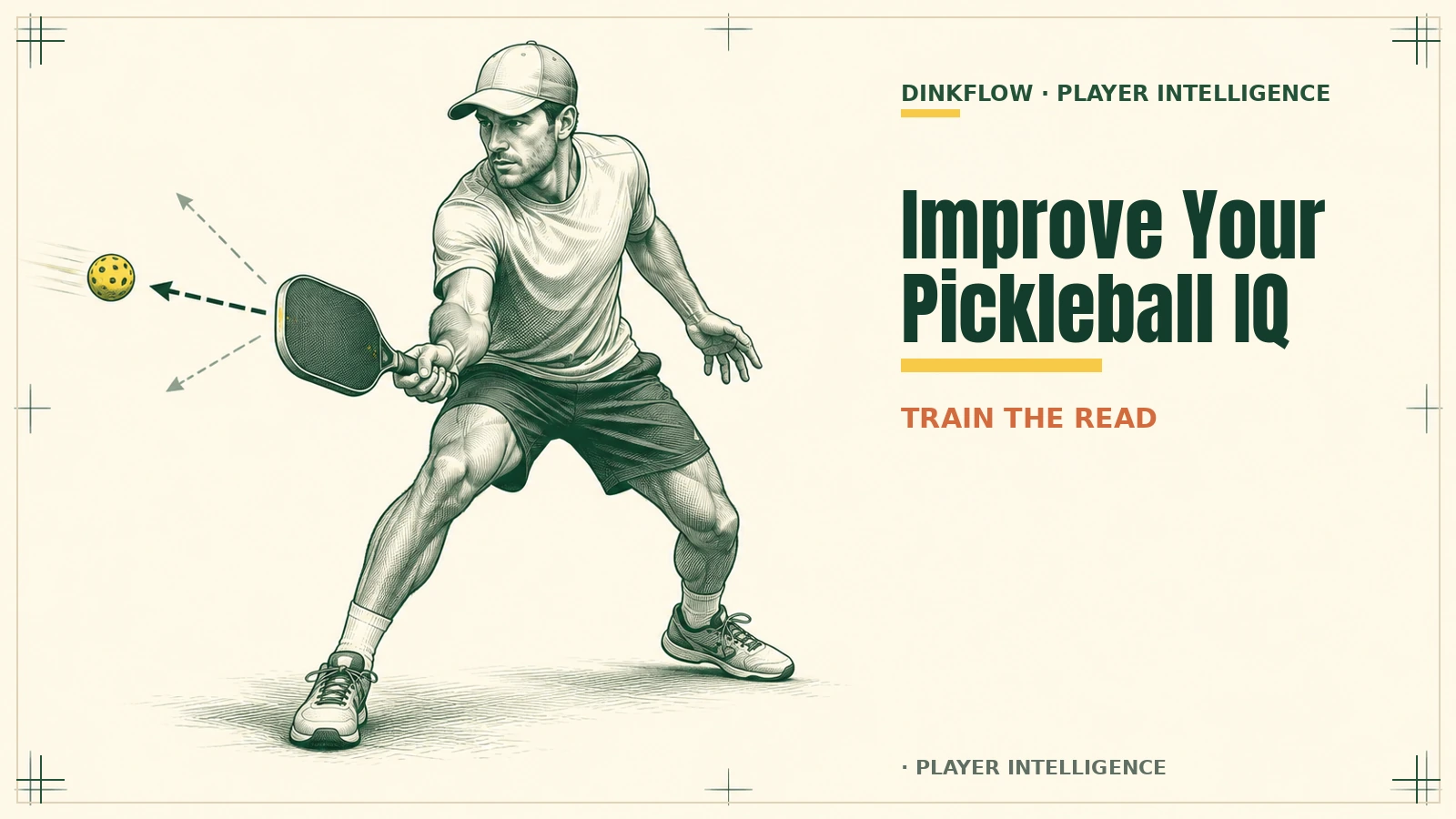
How to Improve Your Pickleball IQ: Train the Decisions, Not Just the Strokes
Pickleball IQ is the quality of your on-court decisions. Here are the six decisions that recur in every game, the default rule for each, and how to practice them.
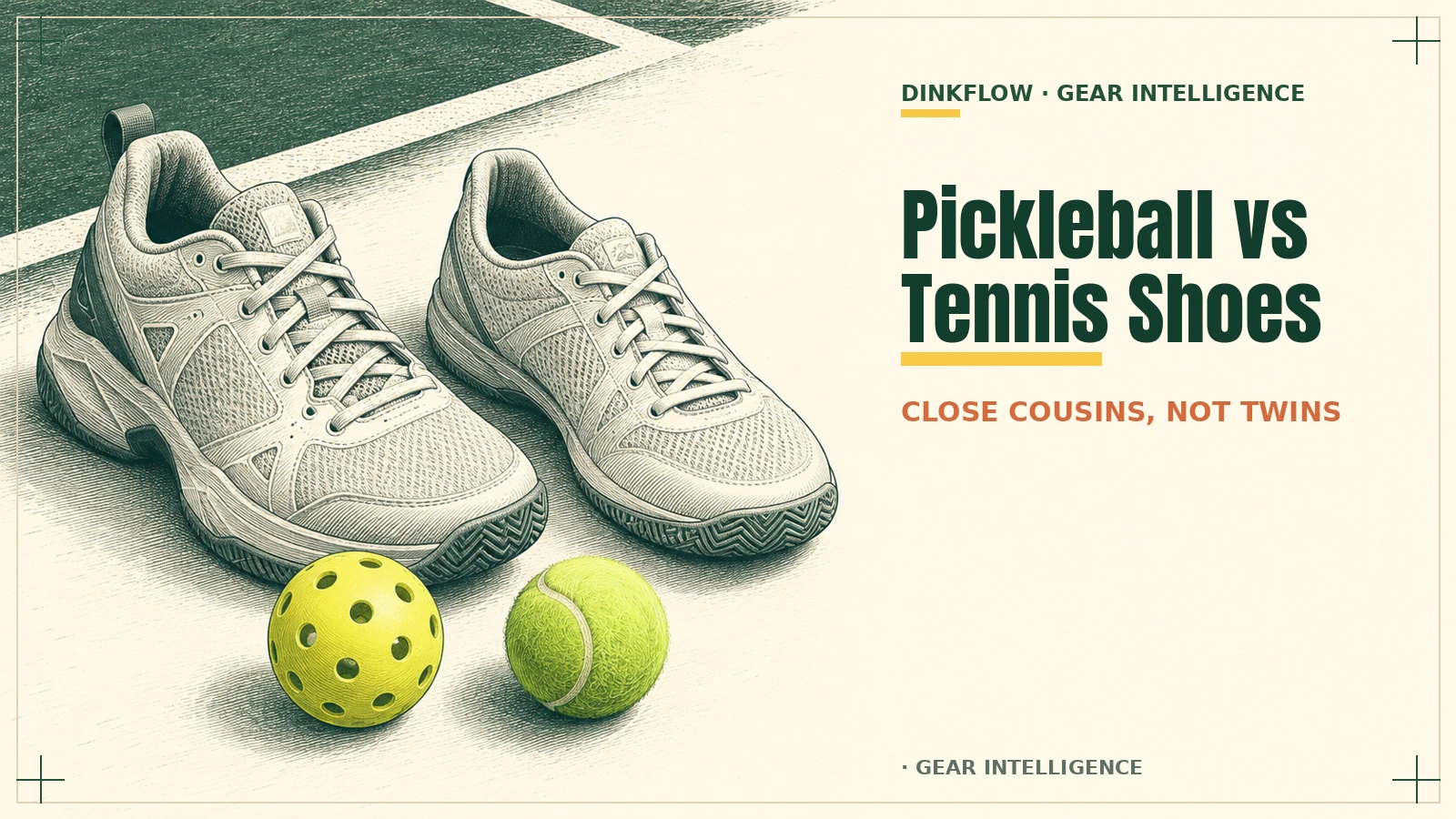
Pickleball shoes vs tennis shoes: why a good tennis shoe works for pickleball, where the two actually differ, what to check before you play in one, and when a pickleball-specific pair is worth buying.
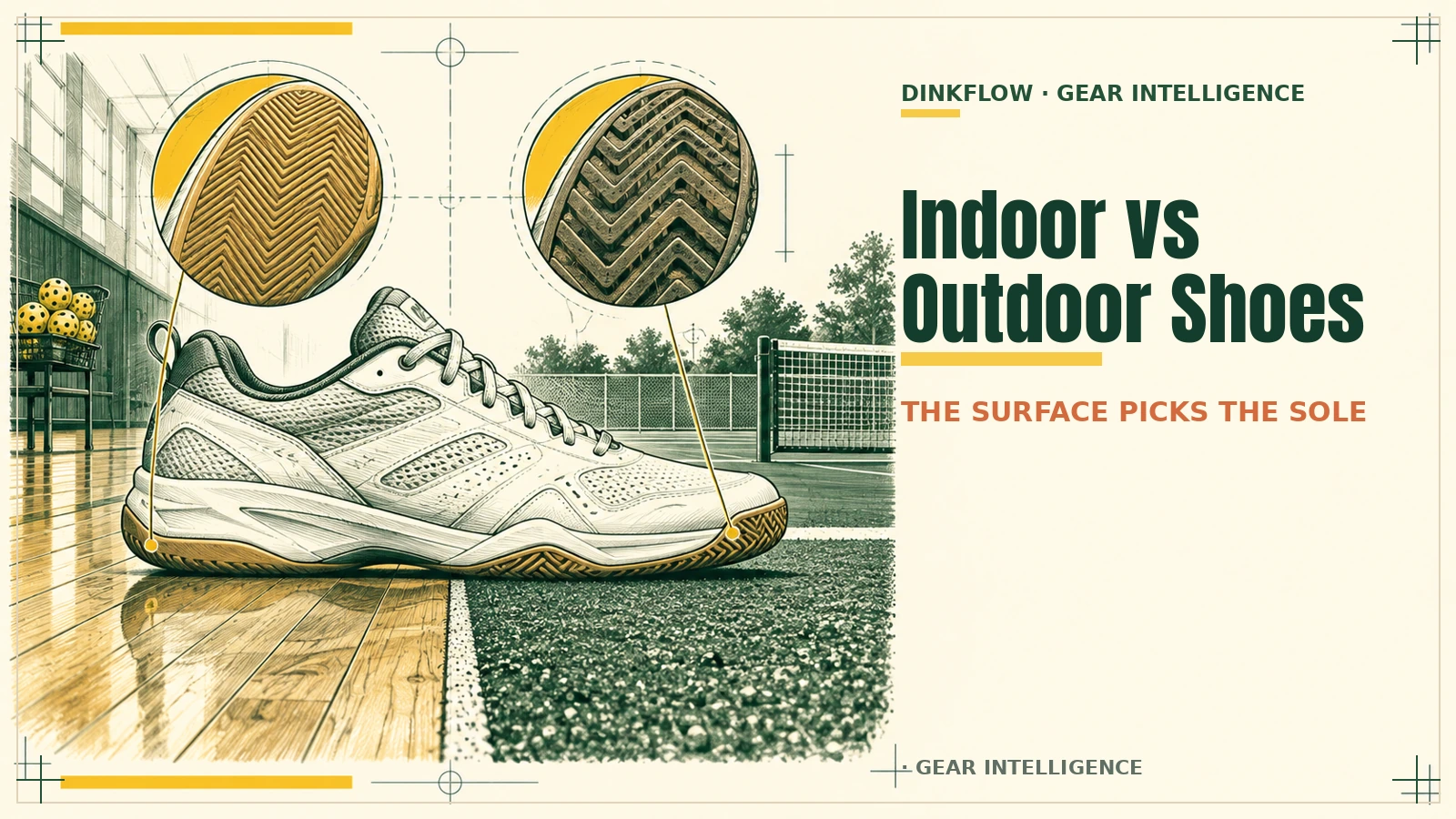
Indoor vs outdoor pickleball shoes: how the outsole compound, tread, and non-marking rules differ, what happens when you wear one on the other surface, and which pair to buy for where you play.
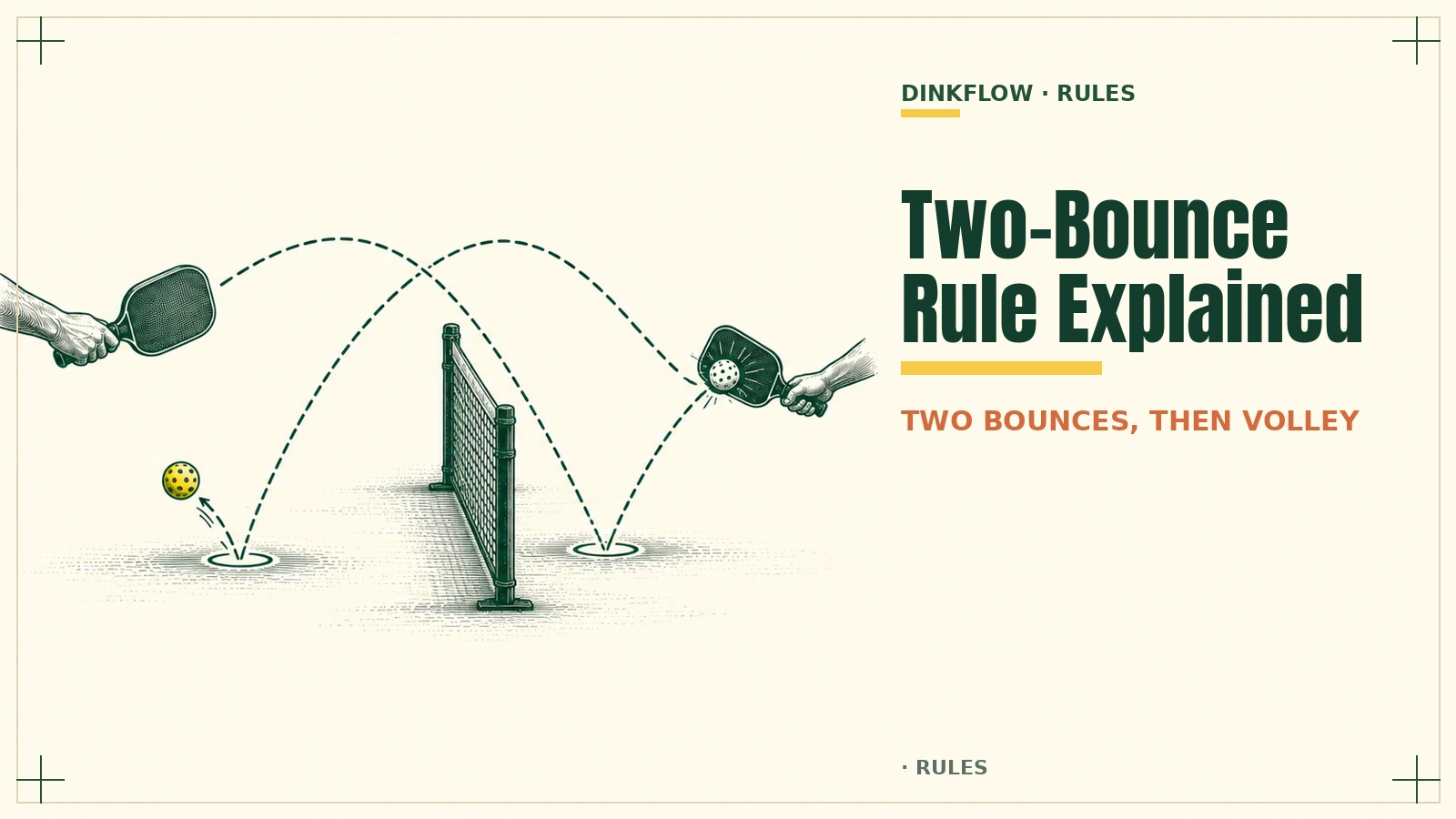
What the two-bounce rule in pickleball says, how it works shot by shot from the serve to the fourth ball, the faults it causes, and why it decides who reaches the net first.
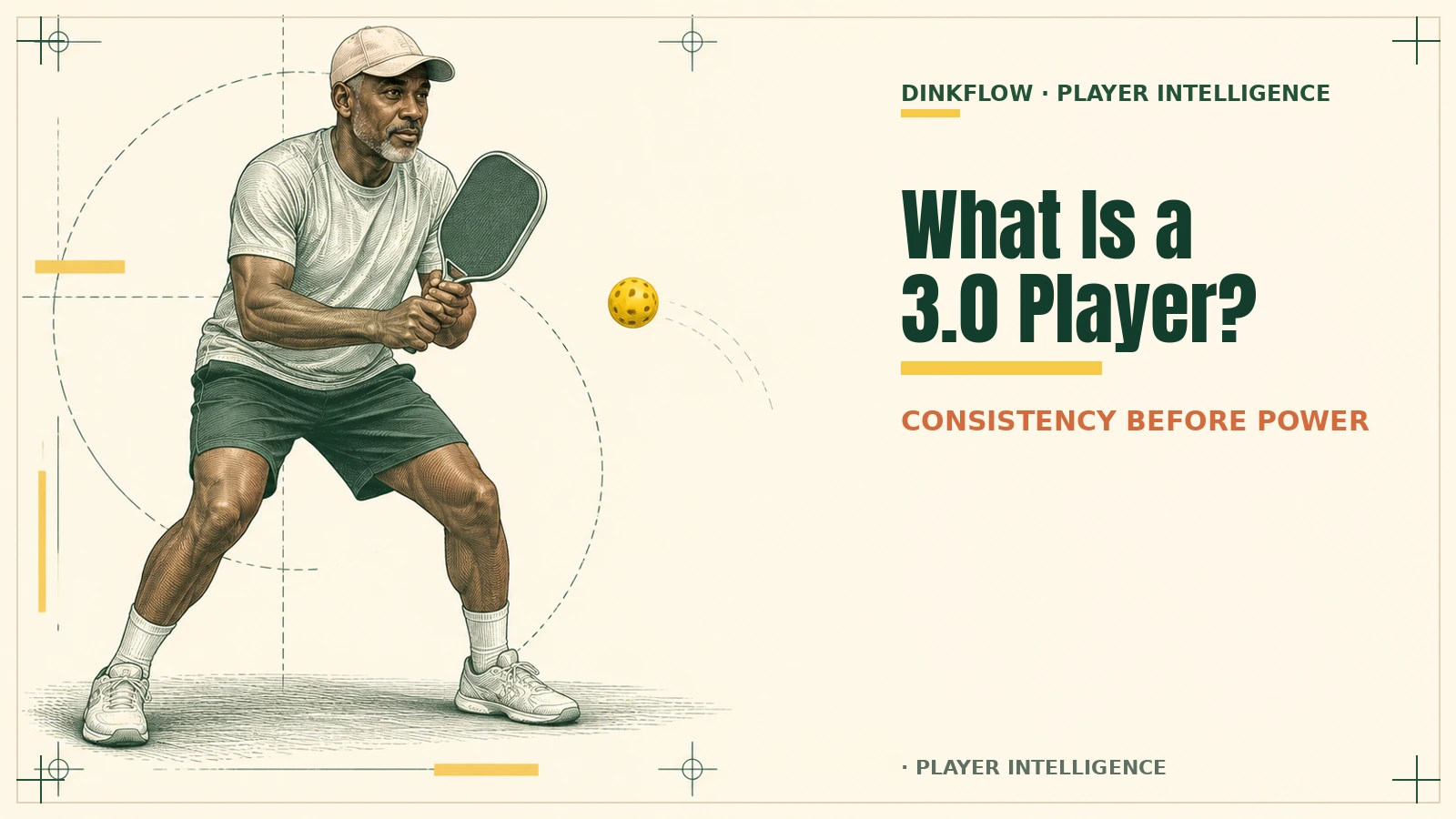
What a 3.0 pickleball player can do reliably, what usually separates 3.0 from 3.5, a quick self-check, and the four practice priorities that move you up.
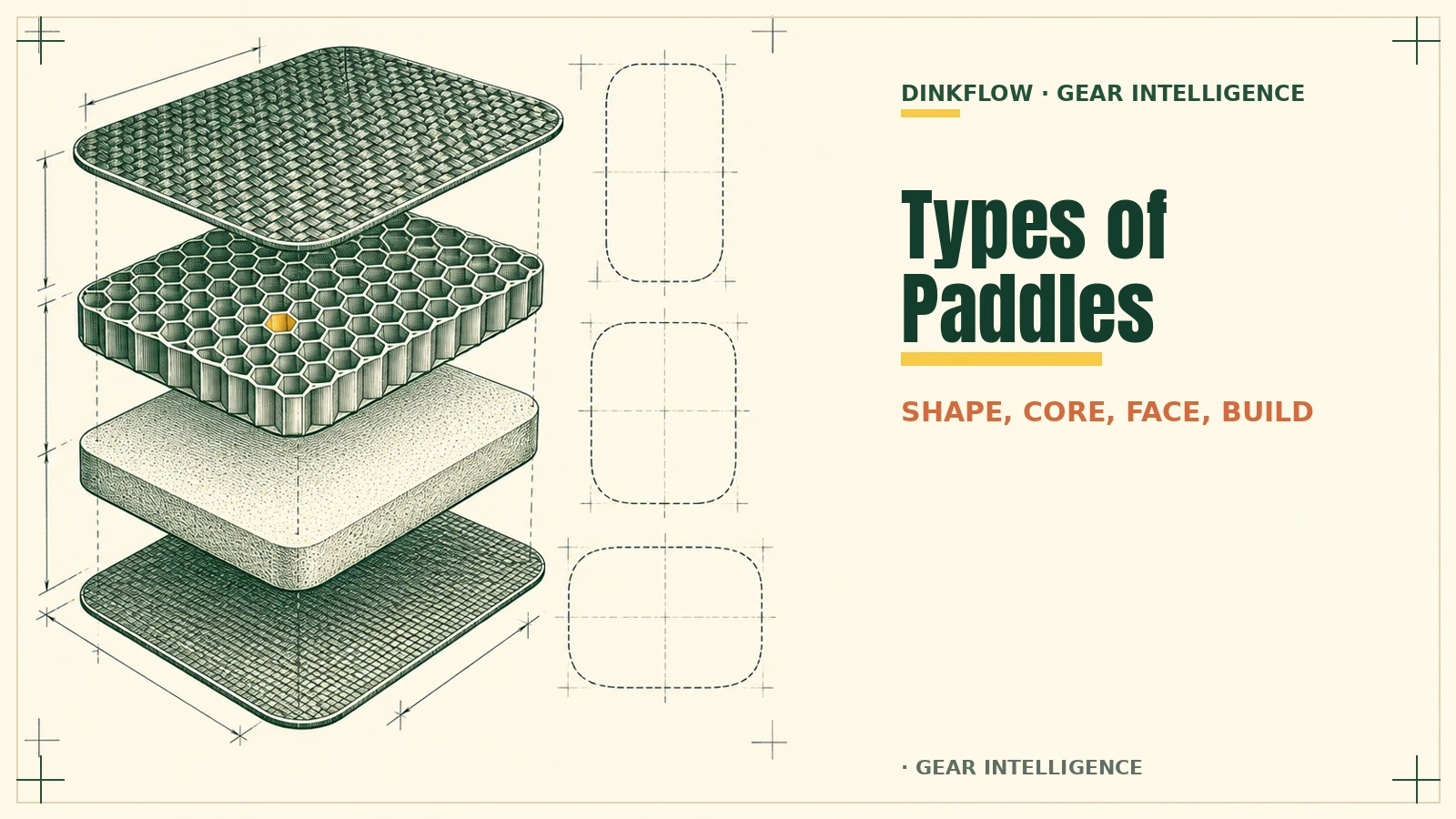
The four ways pickleball paddles differ by type (shape, core, face, and construction), what each one changes on court, and how to pick a type from the shot you keep missing.
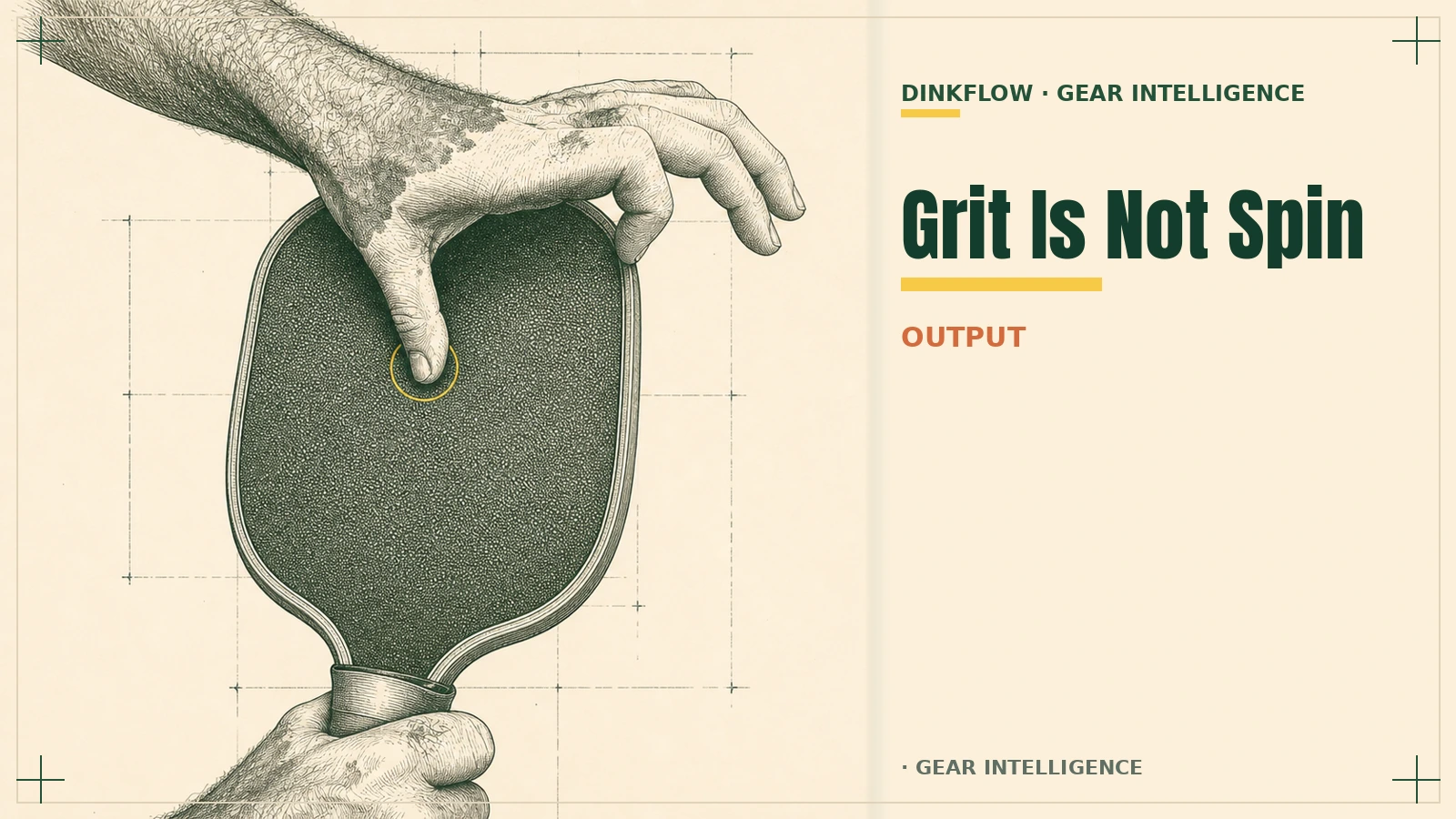
Grit is an input, spin is an output, and durability is the lifecycle. Why the pro shop thumb test tells you something but not enough, and the three questions to ask instead.
You play well in drills and fall apart in games because drills remove the decisions games require. Find what breaks first, then practice the choice.
Many bad-partner problems in pickleball are missing coordination rules. Here are the five decisions good doubles teams agree on before the first serve.
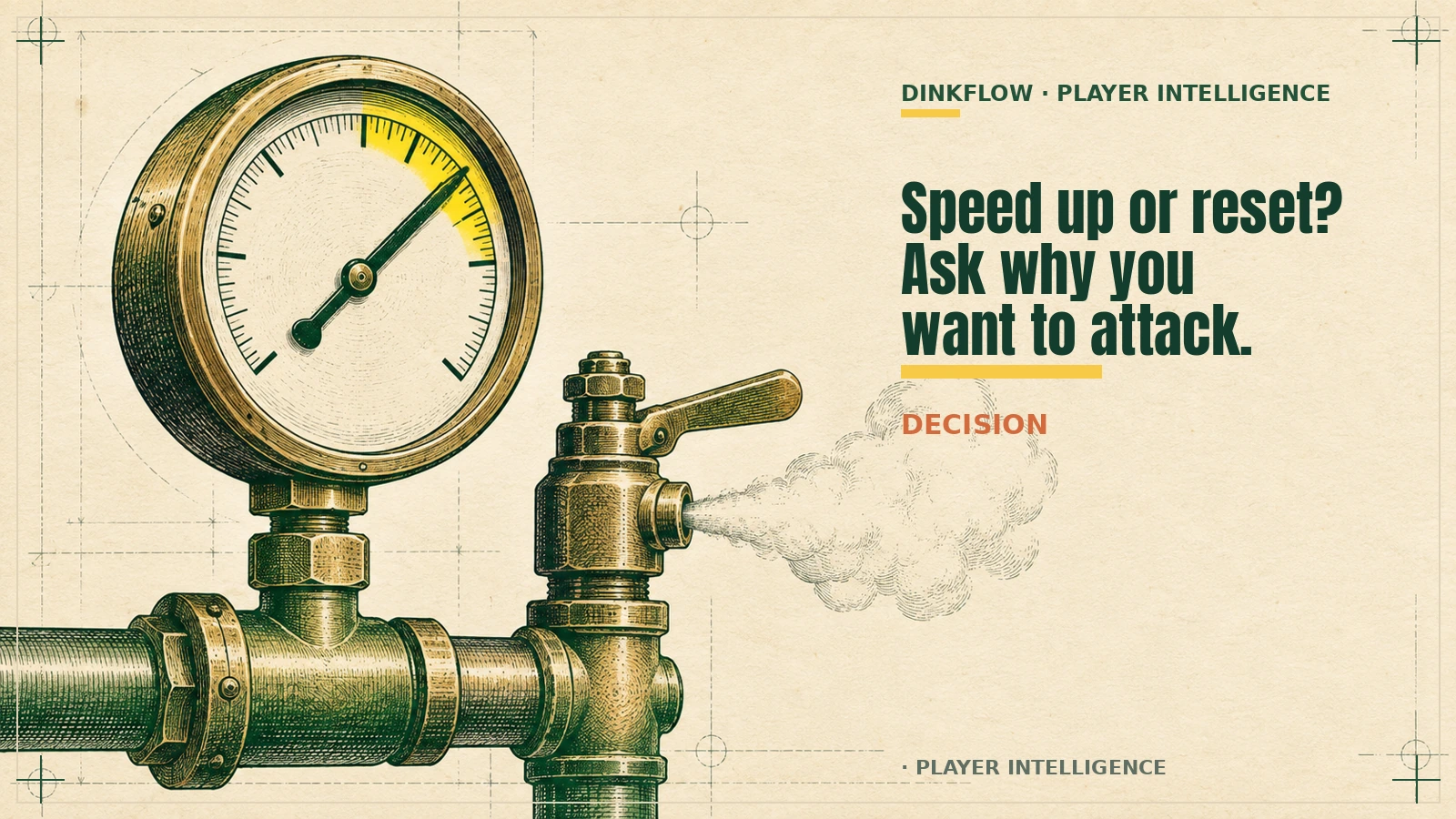
Should you speed up or reset in pickleball? Classify the ball as attackable, neutral, or defensive, then check why you want to attack it.